A Guide to Getting Your Ears Pierced
14th April 2026Ear piercings are one of the most common types of piercings that someone can get. Men, women, children and even some babies will have their ears pierced at some point in their lives, but what happens if you’re a novice to the experience? In this article, we’re going to be taking you through the common places on the ear where a piercing can occur, how to choose the right one for you, what to expect during your appointment and how to care for your new piercing moving forward. We’re also going to present you with a few earring sets that you can wear as your piercings begin to take shape. So, here’s a guide to getting your ears pierced.
Common types of ear piercings that you need to know about
Understanding ear piercing placement is important. This is because, generally, if someone says they’re having their ears pierced, we automatically think of the earlobe. This is why it’s important to know the common types of ear piercings.
It arms you with the information needed to be able to tell your technician exactly what you want, rather than having to guess and getting it wrong. But remember, you can back out of an ear piercing appointment at any time up until the piercing procedure itself. So if you’re in doubt, then rebook your appointment for another time.
Ear piercing types:
If you know roughly what you’d like, but aren’t aware of the terms, let’s take a closer look at the most common types of ear piercings that you need to know about:
- Lobe – the classic first piercing located in the soft lower ear. It’s ideal for first-timers, accommodates a range of earring styles and heals relatively quickly and simply
- Upper lobe – located above the standard lobe piercing site. It allows for layered looks and stacked earring styles
- Helix – situated on the outer upper cartilage rim. It’s perfect for modern styling, studs and hoops alike
- Forward helix – located on the front outer cartilage near the face. It can accommodate small studs and multiple tiny gems
- Tragus – the site of a tragus piercing is the small cartilage flap near the ear canal. It gives a subtle edge to any style and allows for minimal jewellery to complement other piercings
- Conch – located through the inner cartilage bowl. It can take studs or hoops, once the site has healed adequately
- Daith – situated in the innermost cartilage fold, a diath piercing can accommodate rings, hoops and statement styling
- Rook – placed in the upper inner cartilage fold, it can accommodate curved barbells, among other styles and jewellery types
- Industrial – this is a barbell that connects two cartilage piercings. It’s great for bold, statement looks
How to choose the right piercing for you
When it comes to selecting the right ear piercing for you, there are a number of factors to consider. From healing times to lifestyle choices and everything in between, here’s what you should be considering to make sure that you’re choosing the right ear piercing for you:
- Consider pain tolerance – some parts of the ear are softer, whereas other parts are made up of more cartilage. This can make a difference when it comes to how much or how little an ear piercing hurts
- Healing time can differ – different parts of the ear will heal at different times. While a obe could take as little as a few weeks, the cartilage can take months, sometimes longer
- Lifestyle considerations – if you wear a helmet, use headphones, wear masks or even sleep on your side, then some placements may be less convenient during healing
- Workplace dress codes – if visible jewellery may be restricted, then choosing discreet placement or small starter jewellery would be ideal. This can often be dictated by the type of ear piercing you choose
- Ear shape & anatomy – not every ear will be able to accommodate certain ear piercings. Other ear shapes may not actually suit certain types of ear piercings. However, a professional technician will be able to give you some advice and guidance on the matter
What to expect during your ear piercing appointment
Some ear piercing technicians like you to come in for a consultation before the actual piercing happens. The consultation is intended to discuss your thoughts and ideas, get advice from the technician and discuss piercing placement.
It’s a way to understand what you want before the piercing occurs. Once this is done, which could be the same day as the piercing, the site of the ear piercing will be cleaned and marked for approval. This is to prevent infection.
Next, a sterile piercing procedure will begin, often using a piercing gun. Sometimes, the piercing and the jewellery insertion can occur at the same time. Once the piercing and jewellery insertion have been completed, your technician will advise you on aftercare.
How to care for your new ear piercing
Excellent aftercare supports healing and reduces complications further down the line, such as infections. There are multiple things that you need to do after your piercing has been done, including:
- Washing your hands before touching the wounded area
- Cleaning the wound as instructed and using a sterile saline solution
- Keeping bedding and headphones clean
- Being gentle when getting dressed or when brushing your hair
- Leaving jewellery in place throughout the healing process
However, just as there are things that you need to do when it comes to ear piercings, there are a few things that you shouldn’t do. This includes twisting or rotating jewellery, sleeping on fresh piercings, swimming in dirty water, using alcohol or harsh antiseptics unless instructed to do otherwise, and removing the jewellery from the piercing too soon.
How can I tell if my piercings are healing normally?
Some of the signs that your ear piercing is healing normally include things like: mild redness, light swelling, tenderness, clear or pale crusting and temporary sensitivity. These are just the common early responses that suggest your ear piercing is healing as it should.
If, however, you start experiencing severe swelling, worsening pain, hot skin around the wound, thick yellow or green discharge, fever or persistent irritation, then you should seek professional advice so as to avoid infection.
When can I change my earrings?
You shouldn’t rush changing your earrings. Changing them too early can irritate the piercing or even delay healing. Wait until the piercing is sufficiently healed, and ideally have your first change done by a professional in the field. Healing times differ greatly depending on the placement and the person.
Earring ideas for your new piercings
When it comes to new ear piercings, it’s important that you’re choosing a hypoallergenic material, like sterling silver. Here at Little Star Jewellery, we have a wide range of earrings that are made from sterling silver and are ideal for first-time ear piercings. Take a look at our collection of earrings below:
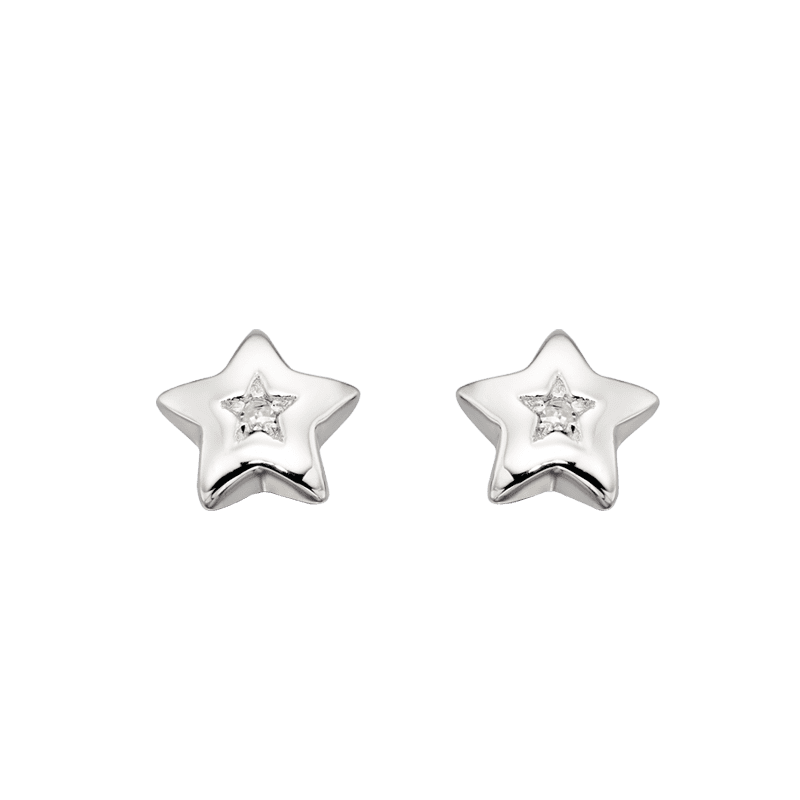
Noor – Diamond Earrings
These Noor diamond earrings are set with a sparkling diamond, turning a simple silver earring into a piece of jewellery that shimmers and shines with every turn of the head. Perfect for both adults and children, these Noor earrings are ideal for first-time ear piercings or seasoned earring wearers.
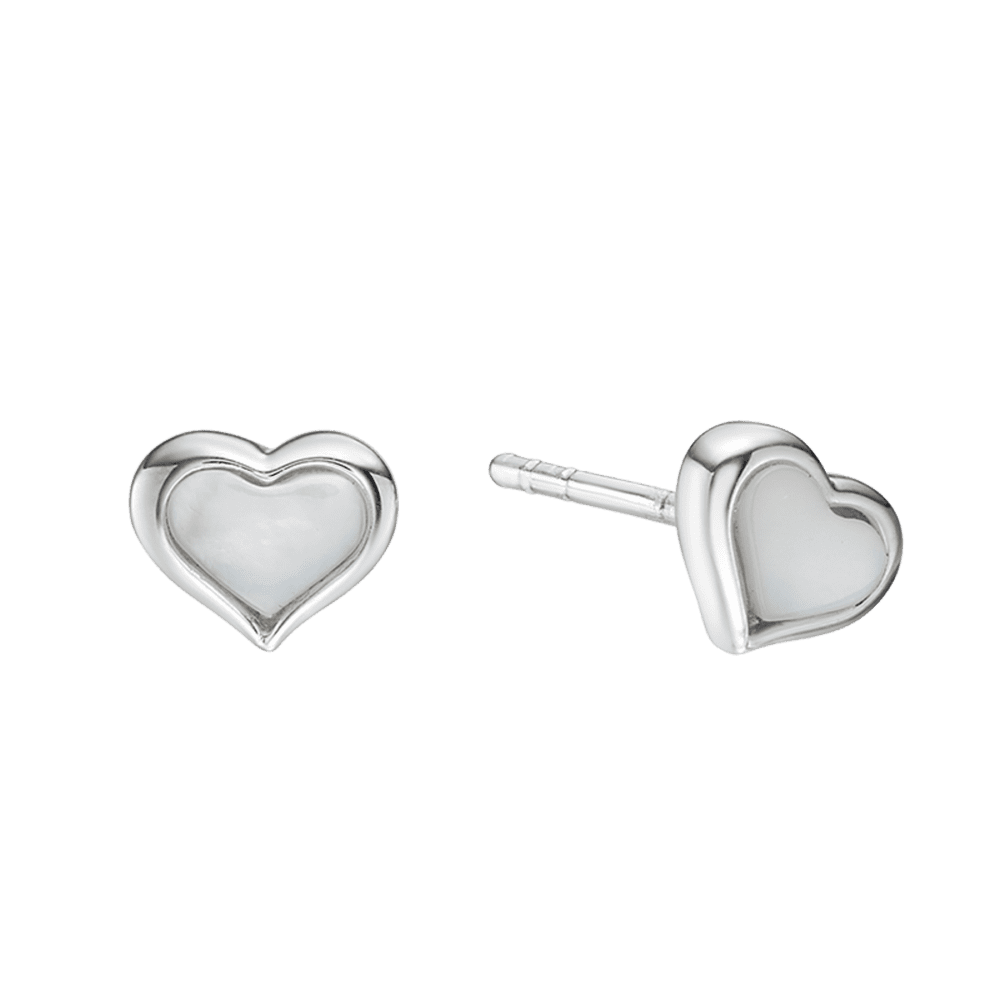
Dakota – Mother of Pearl Heart Earrings
Offering a different look from simple sterling silver, these Mother of Pearl heart earrings are crafted with sterling silver, but they have a gorgeous Mother of Pearl centre for extra shimmer and sheen. Ideal for children and adults alike, these Mother of Pearl heart earrings are perfect for adding timeless style to any outfit, no matter what you’re doing.
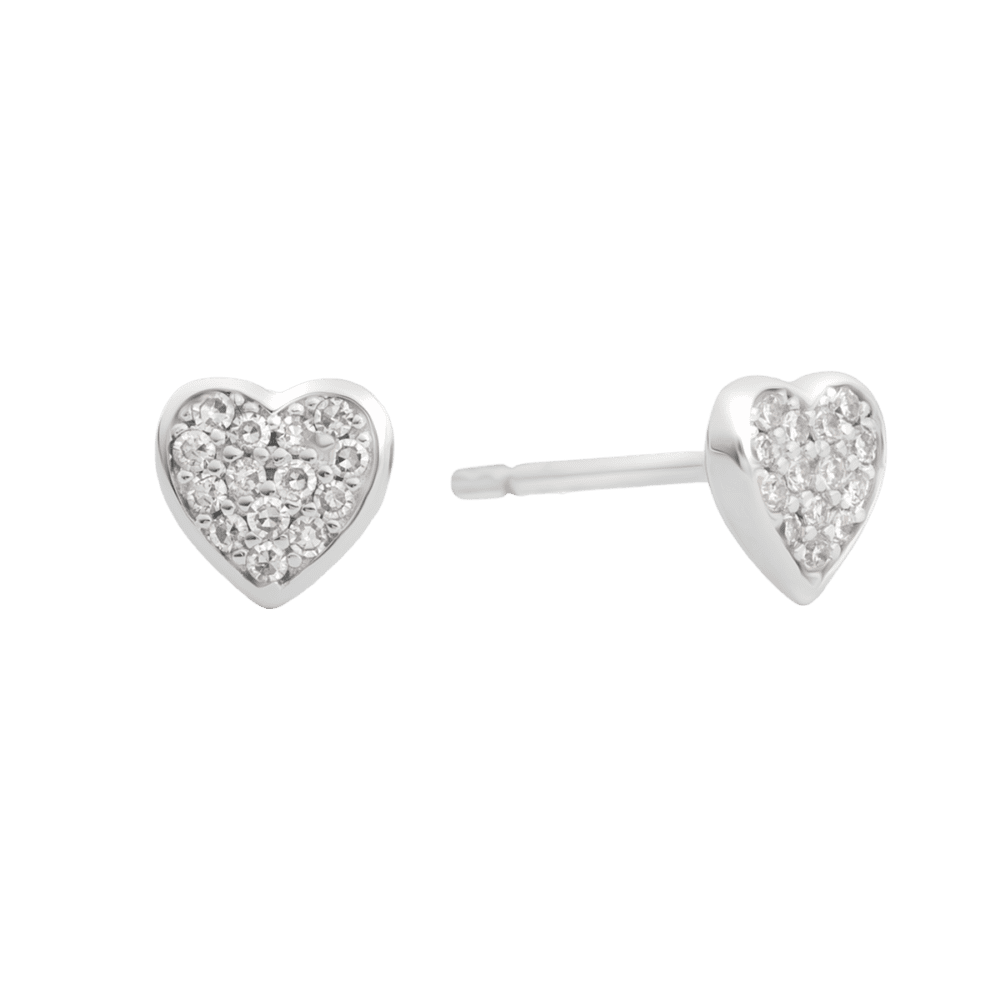
Orion – Diamond Pavé Heart Studs
Elevate your style and sparkle with these diamond pavé heart stud earrings. Made from stunning sterling silver and crafted to the highest possible standards, these Orion pavé heart stud earrings are crafted from sterling silver with a radiant platinum plating. Set with 28 incredible pavé diamonds, these earrings can be worn on their own or as part of a matching set, such as a diamond pavé heart necklace and a diamond pavé heart bracelet.
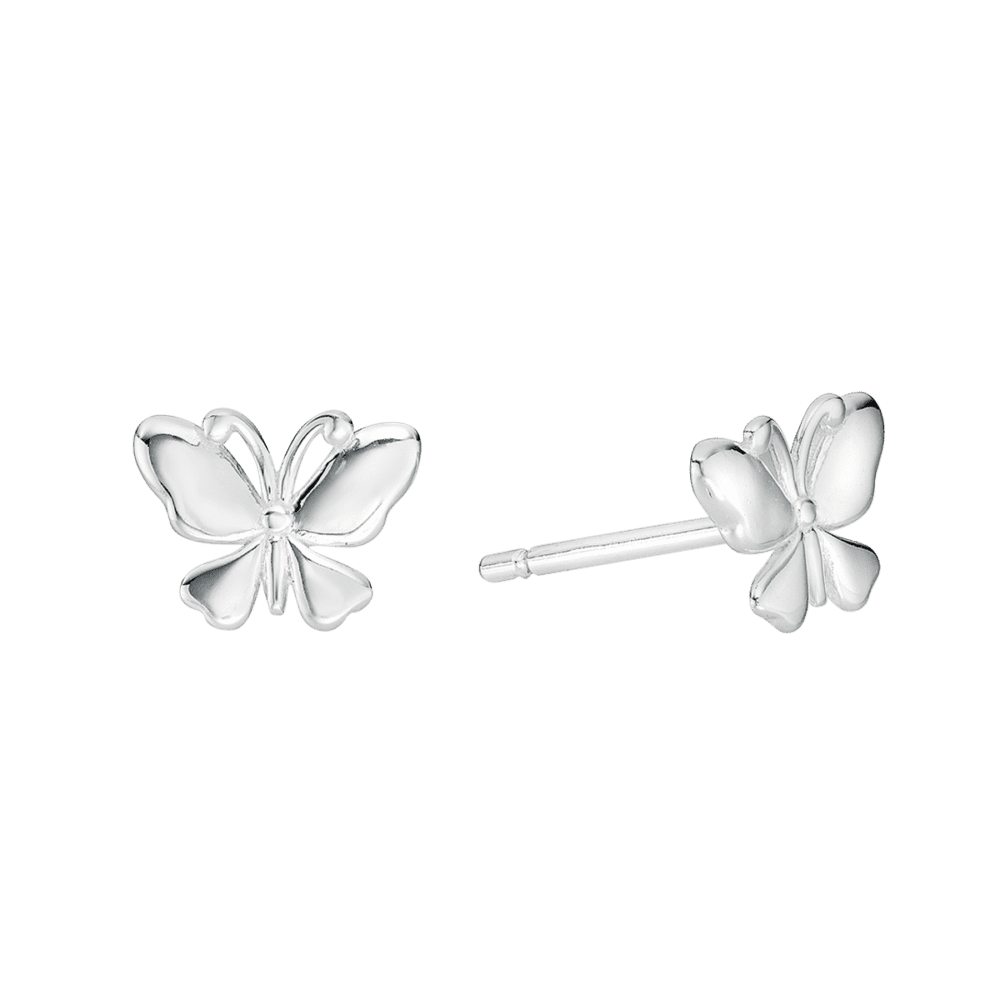
Jamie – Butterfly Stud Earrings
This charming pair of sterling silver butterfly stud earrings is the perfect accessory for children and adults alike. Whether you’ve recently had an ear piercing or are just looking for something different, these butterfly earrings stand out from the crowd. With shimmery wings and gleaming sterling silver to match, these butterfly earrings add a touch of sparkle to any outfit.
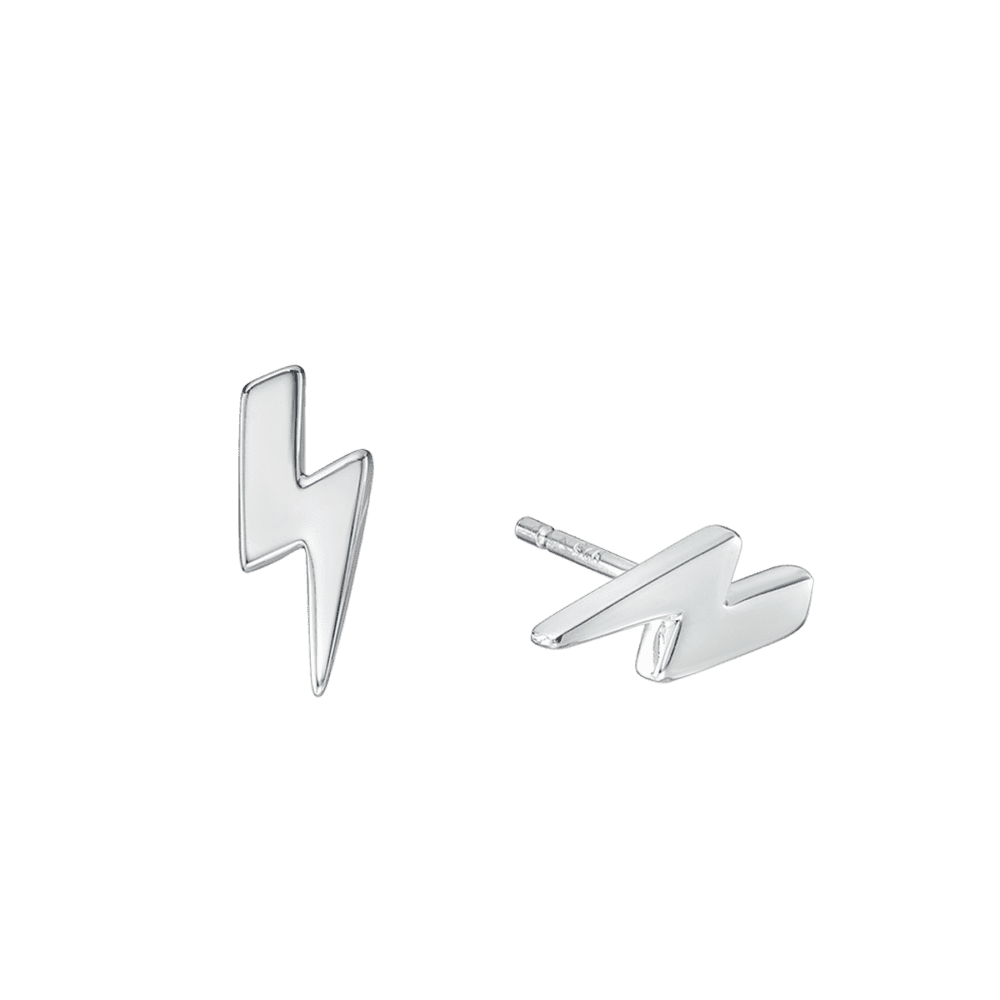
Isid – Lightning Bolt Earrings
These lightning bolt stud earrings are made from quality sterling silver. With a unique design that rivals classic ball or heart styles, these lightning bolt stud earrings add a hint of uniqueness while your ear piercing heals up. Not to mention, they’re perfect for both adults and children.
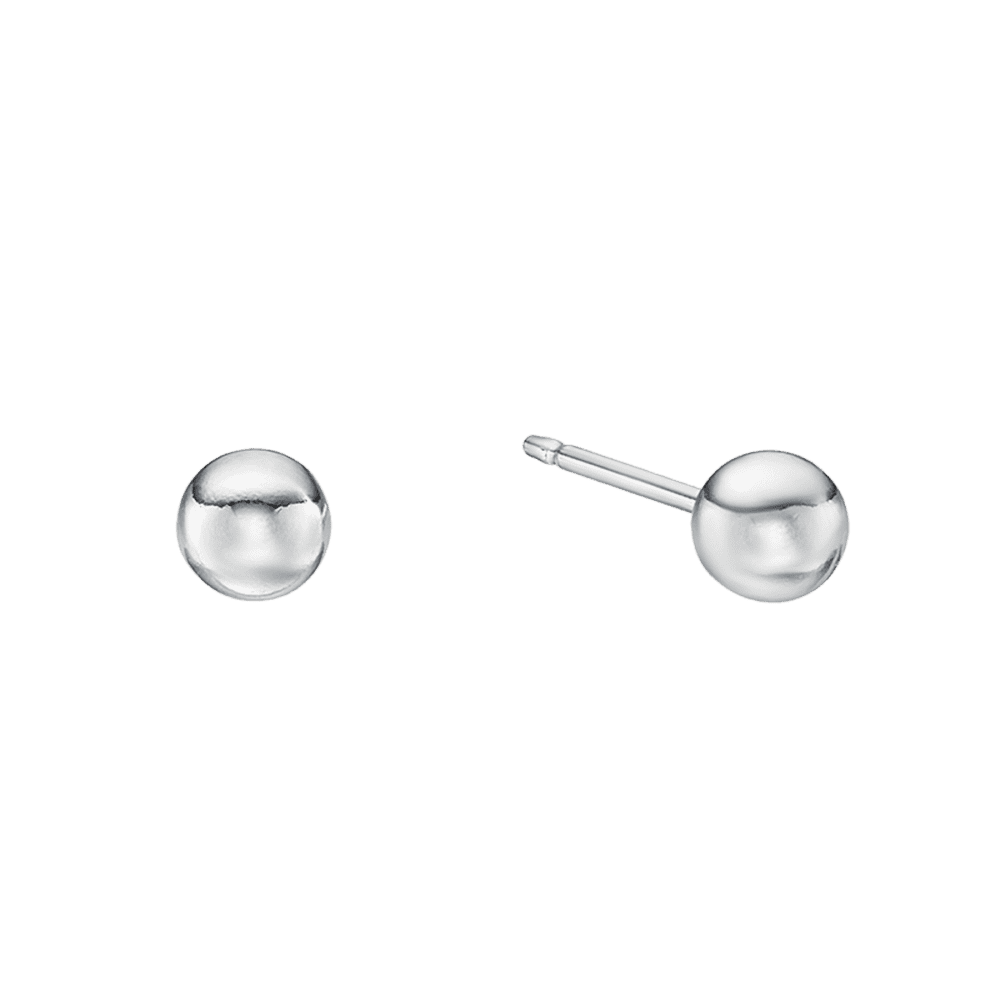
Carrie – Ball Stud Earrings
These ball stud earrings are made from sterling silver and only measure 4mm. They’re the perfect choice for first-time stud earrings and are classic and versatile. This makes for a classic look, no matter what you do for business or leisure or the outfit you decide to wear. Whether for children or adults, these stunning, stylish ball stud earrings are both beautiful and functional.
If you’d like further information about our collection of stud earrings, whether you’re a first-time earring wearer or a seasoned jewellery adorer, get in touch with a member of our friendly, knowledgeable team today – we’re also proud to offer necklaces, bracelets and rings to children, men, women and babies, alongside Christening bracelets for good measure.